
Lighting, Reflection, and Post Processing Effects

This is Unity's official series of courses designed to prepare you for the Unity Certified 3D Artist exam, the certification for entry- to mid-level 3D artists who work with the Unity platform. This series of courses is for 3D Artists who have used Unity for real-time rendering for 1-2 years, and are ready to bring their existing skills up to a professional standard.

Created by: Joy Horvath

icon
Quality Score

Content Quality
/
Video Quality
/
Qualified Instructor
/
Course Pace
/
Course Depth & Coverage
/

Overall Score : 100 / 100

icon
Course Description

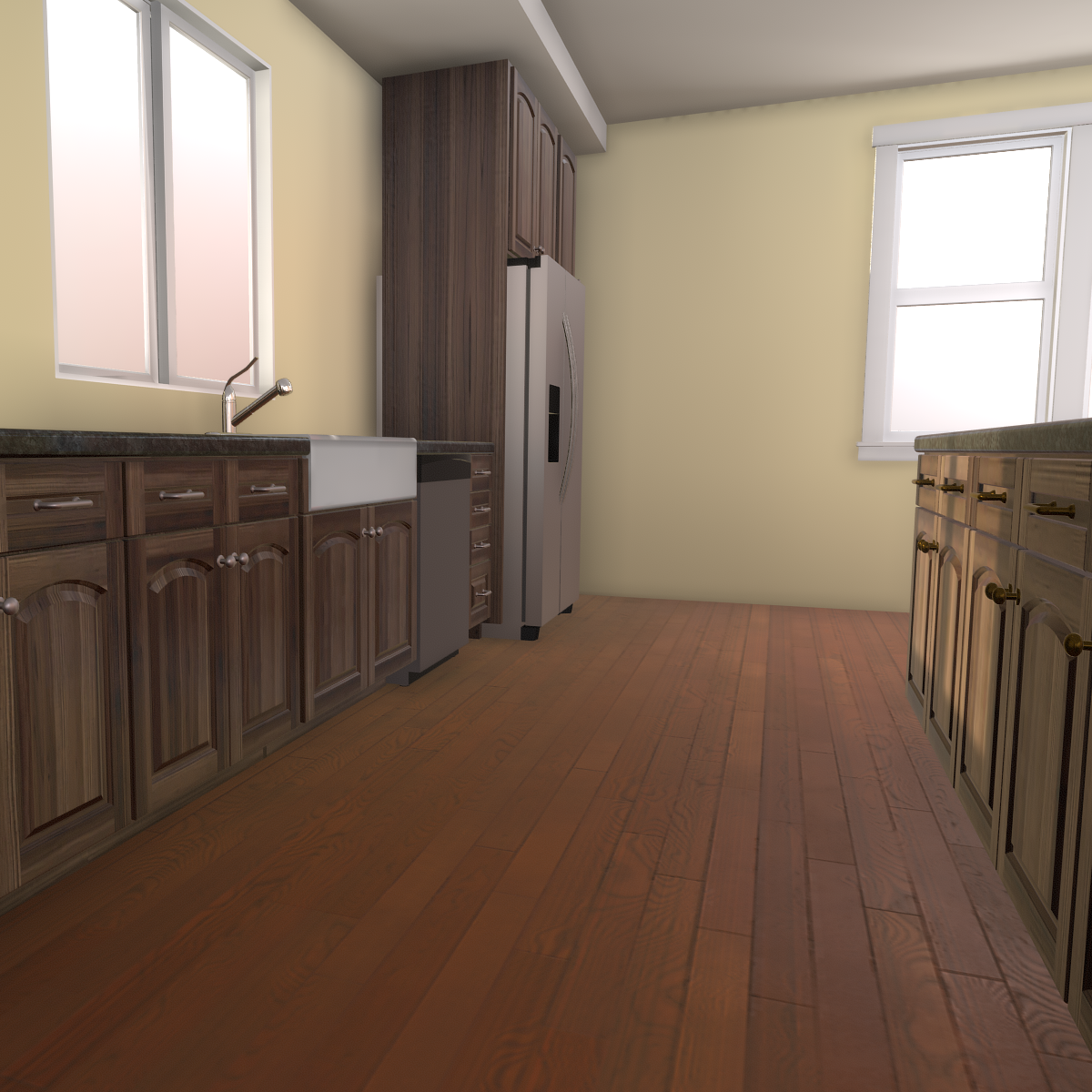
Welcome to Lighting, Reflection, and Post-Processing Effects, the second course in the Unity Certified 3D Artist Specialization from Unity Technologies.The courses in this series will help you prepare for the Unity Certified 3D Artist exam, the professional certification for entry- to mid-level Unity artists. 3D artists are critical to the Unity development pipeline. They are a bridge between the programmers writing the application code and the designers or art directors who define the application's aesthetics and style. In these courses, you will be challenged to complete realistic art implementation tasks in Unity that are aligned to the topics covered on the exam.In this second course, you will continue work on the Kitchen Configurator application - an app that lets users view a realistic rendering of a kitchen and swap out objects and materials to customize the design. The scene will really start to come to life as you add lighting effects including ambient lighting from a custom skybox, simulated sunlight, interior lights, and realistic reflections. Finally, you'll use Unity's Post-Processing Stack to add even more polish to the rendered scene. By the end of the course, you'll have a scene ready for the next stage: adding interactions through scripts.This is an intermediate course, intended for people who are ready for their first paying roles as Unity 3D artists, or enthusiasts who would like to verify their skills against a professional standard. To succeed, you should have at least 1-2 years of experience implementing 3D art in Unity. You should be proficient at importing assets into Unity from Digital Content Creation (DCC) tools, prototyping scenes, working with lighting, and adding particles and effects. You should also have a basic understanding of 2D asset management, animation, and working with scripts. You should have experience in the full product development lifecycle, and understand multi-platform development, including for XR (AR and VR) platforms.

icon
Instructor Details

placeholder

Joy Horvath is a passionate game developer whose career has taken her across many different roles in the game industry. She started out as a QA tester at EA, then moved on to do freelance art and animation in games and adjacent industries. For around five years, Joy taught game design at several schools and camps across California before finally landing at Unity Technologies, where she works as an Instructional Designer as part of the Education team.

icon
More game design courses

An Introduction to Interactive Programming in Python (Part 2)

Free

Code Yourself! An Introduction to Programming

Free

The Psychology of Color in Game Design & Development

$11.99

Autodesk Fusion 360 Integrated CAD/CAM/CAE

Free

The Board Game Developer: Become A Game Design Ninja

$11.99

Online Games: Literature, New Media, and Narrative

Free

icon
Reviews

5.0

1 total reviews

5 star 4 star 3 star 2 star 1 star
% Complete
% Complete
% Complete
% Complete
% Complete

By Cristiano O d S on 16-Dec-18

O curso é muito bom, é um ótimo guia para quem deseja realizara o teste de certificação Unity.